1. The Weather is Unpredictable — Pack Layers
Normandy is not the French Riviera. Even in July, you can have a gorgeous sunny morning followed by rain in the afternoon. The locals say: “In Normandy, you can experience all four seasons in a single day.”
What to pack:
- A waterproof jacket (not an umbrella — the wind will destroy it)
- Layers you can add and remove
- Comfortable walking shoes that can handle wet grass
- Sunscreen (when the sun does come out, it’s glorious)
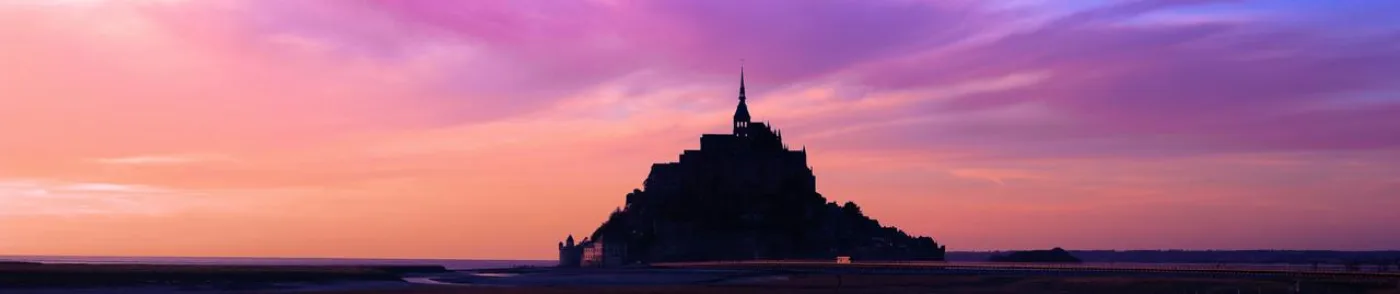
The upside? The dramatic skies make for incredible photos, and you’ll rarely deal with the oppressive heat of southern France.
2. English is Spoken, But French is Appreciated
In tourist areas (D-Day beaches, Mont-Saint-Michel, major hotels), English is widely understood. But Normandy is not Paris — in smaller towns, restaurants, and markets, you’ll encounter people who speak little or no English.
Three phrases that will open doors:
- “Bonjour” — Always greet people first. This is non-negotiable in France.
- “Parlez-vous anglais ?” — “Do you speak English?” (said with a smile)
- “Merci beaucoup” — “Thank you very much”
Starting with bonjour transforms interactions. A waiter who might seem cold will warm up immediately.
3. Normandy is Bigger Than You Think
First-time visitors often underestimate distances. The region stretches over 200 km from east to west.
| Route | Distance | Drive Time |
|---|---|---|
| Caen → Omaha Beach | 35 km | 40 min |
| Caen → Mont-Saint-Michel | 130 km | 1h30 |
| Caen → Étretat | 165 km | 2h |
| Caen → Giverny | 200 km | 2h15 |
| Paris → Caen | 235 km | 2h30 |
Don’t try to see everything in one day. Pick a zone and explore it properly. You’ll enjoy it much more than racing between distant sites.
4. The Food is Incredible (and Different from “French Food”)
Normandy has its own cuisine, distinct from what most people think of as French food. Forget the Mediterranean — here it’s cream, butter, apples, and seafood.
Must-try dishes:
- Moules-frites — Mussels and fries. Simple, perfect.
- Camembert — The real thing, from Normandy. Nothing like what you get abroad.
- Tarte aux pommes — Apple tart. Normandy produces more apples than anywhere in France.
- Galettes — Savory buckwheat crêpes filled with ham, cheese, and egg.
- Fruits de mer — Seafood platters piled high with oysters, shrimp, crab, and whelks.
5. Tipping is Not Expected (But Appreciated)
In France, service is included in restaurant prices by law (service compris). You don’t need to tip.
That said, leaving a few euros for good service is a nice gesture. On a €60 dinner, rounding up to €65 or leaving €5 is generous and appreciated.
For private tours: Tips are never expected but always appreciated. If your driver made your day special, a tip is a kind way to show it.
6. The D-Day Sites Require Respect
The D-Day beaches are not just tourist attractions — they’re war graves and memorials. Nearly 10,000 soldiers died on D-Day alone.
Etiquette:
- Be quiet and respectful at the cemeteries
- Don’t climb on bunkers (some are unstable)
- Don’t take souvenirs from the beaches (it’s illegal to remove artifacts)
- Dress appropriately (no beachwear at the American Cemetery)
Many visitors are surprised by how emotional the experience is. The American Cemetery, in particular, is overwhelming — 9,387 white marble crosses and Stars of David looking out over Omaha Beach. Give yourself time.
7. The Best Base is Caen or Bayeux
| Base | Pros | Cons |
|---|---|---|
| Caen | Larger city, more restaurants and hotels, good train connections, central location | Not as charming as smaller towns |
| Bayeux | Beautiful medieval town, walkable, close to D-Day beaches, famous tapestry | Fewer dining options, limited trains |
| Honfleur | Gorgeous harbor town, artistic atmosphere | Far from D-Day beaches, very touristy |
Our recommendation: Caen for convenience and central location. You can easily reach D-Day beaches, Bayeux, the coast, and even Mont-Saint-Michel from here.
8. Summer is Peak Season (Consider May or September)
July and August are crowded and more expensive. The best times to visit:
- May-June: Mild weather, longer days, D-Day anniversary events in early June
- September: Warm, fewer crowds, lower prices
- October: Moody atmosphere, autumn colors, perfect for history buffs who want solitude
Avoid: The D-Day anniversary week (June 6) unless you specifically want to attend the ceremonies — hotels book up a year in advance and prices triple.
9. Cash is Still Useful
France is increasingly card-friendly, and most restaurants and shops accept Visa and Mastercard. But:
- Small markets and bakeries sometimes prefer cash
- Some parking meters take coins only
- Rural areas may have limited card acceptance
Carry €50-100 in small bills as backup. ATMs are widely available in towns.
10. A Private Driver Changes Everything
This isn’t a sales pitch — it’s genuine advice. Normandy’s attractions are spread across rural countryside with limited public transport. Without a car, you’ll spend more time waiting for buses than actually seeing things.
A private driver:
- Picks you up at your door
- Takes the optimal route between sites
- Shares stories and history you won’t find in guidebooks
- Handles parking (parking near the beaches in summer is a nightmare)
- Lets you relax and enjoy the scenery instead of staring at Google Maps
It’s the difference between visiting Normandy and experiencing it.
Planning your Normandy trip? Sam offers private tours from Caen in a comfortable Tesla Model 3 — in English, with WiFi, water, and local recommendations included.